
16 March 2026 10:00 PM
From Council House To Company Builder: Lessons In Learning, Leadership, And Curiosity. PART 3.
The Goalkeeper. A three-part thought leadership series on fintech compliance and sustainable growth. PART 3
From Council House To Company Builder: Lessons In Learning, Leadership, And Curiosity. PART 2.
The Goalkeeper. A three-part thought leadership series on fintech compliance and sustainable growth. PART 2.
The Tightrope Walker. Building At Speed, Without Losing Balance
Inside Alunafi: Growing With the Company
Inside Alunafi: Growing By Helping Others
Inside Alunafi: From Ground Zero to Growth
From Council House To Company Builder: Lessons In Learning, Leadership, And Curiosity. PART 1.
Inside Alunafi: Growing Fast, Building Together
Share Article


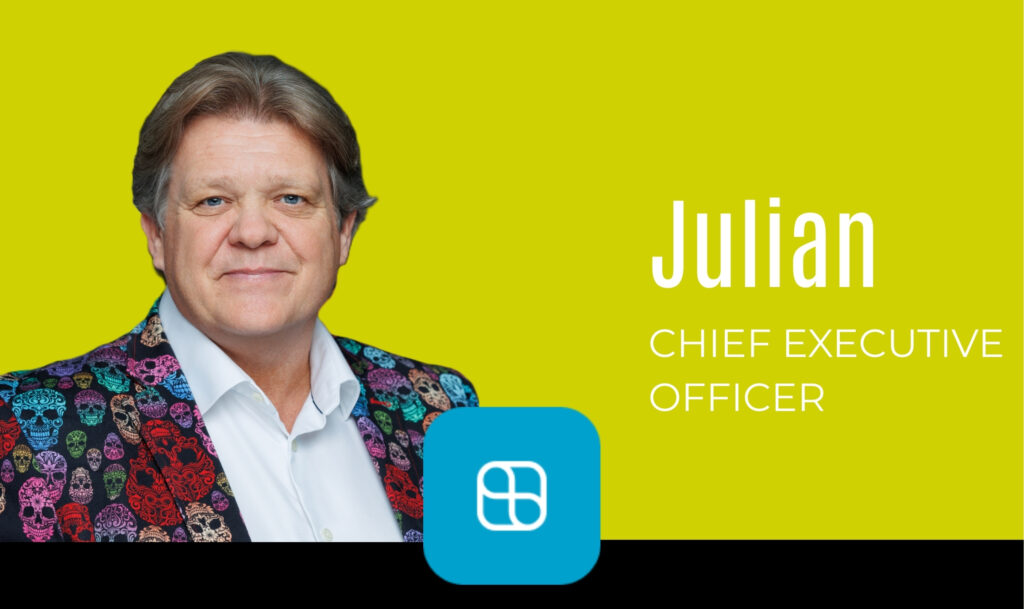
What makes Julian’s leadership style deeply personal, highly adaptive, and difficult to replicate? He leads by understanding people, not managing roles. Last dive into Julian’s leadership style, built on adaptability, trust, motivation, and deeply human insight.
Leading Humans, Not Headcount
“I understand the business. But what I understand more is people.”
Julian doesn’t believe in a single way of leading, because he doesn’t believe people are interchangeable. He adjusts his communication, expectations, and support depending on who he’s speaking to.
Not strategically. Instinctively.
Motivation Is Personal
Julian understands something many leaders miss: people are rarely unmotivated. They’re misaligned.
Some need recognition.
Some need structure.
Some need belief before they believe in themselves.
Julian pays attention to what’s missing, and fills that gap the best he can.
“When people feel seen, they don’t give 100%. They give more.”
Titles, progression, responsibility, trust: these aren’t perks to him. They’re tools.
When people feel seen and trusted, they don’t give compliance. They give commitment.
Accessibility and Its Cost
Julian’s door is open. Always.
That openness builds loyalty and trust, but it also comes with a price: fragmented focus and constant interruption. But unlike many leaders, Julian doesn’t externalise that problem. He owns it.
“The problem isn’t the open-door policy. The problem is my boundaries.”
He knows the boundary challenge is his to solve, not his team’s failure. That level of self-awareness is rare.
Why He’s One of a Kind
Julian’s leadership can’t be copied from a playbook, as it was shaped by necessity, curiosity, and decades of paying attention.
He understands systems because he grew up navigating them.
He gets people because he listens.
He knows what he owes to the team he is building the future with.
And he leads not by distance or authority, but by presence.
Closing Reflection
Julian is not a textbook leader. He’s something much rarer: a contextual leader. Someone shaped by reality, grounded in understanding, and deeply human in execution.
That leadership style doesn’t just influence Alunafi. It defines it.
Share Article